

The History of the Guilford Fire Department
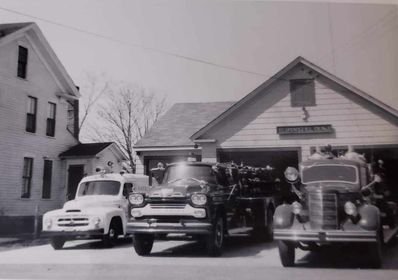
We honor the generations of firefighters whose service, sacrifice and dedication built the Guilford Fire Department we know today. Guided by their legacy, we continue advancing our mission, vision and values while embracing the many developments in training, technology and emergency services that have strengthened our ability to protect the community.
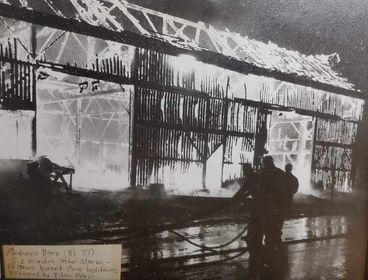
Throughout the 19th century, a series of destructive fires—including major incidents in 1872 and 1887—highlighted the need for better equipment and organization. These events led to improvements in firefighting technology and the formation of volunteer companies that continue to serve the town today.
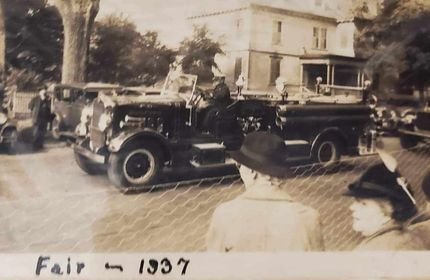
Modernization began in the early 1900s with the introduction of water mains, hydrants, and improved alarm systems, replacing earlier methods like church bells. Motorized fire apparatus arrived in 1923, allowing firefighters to respond more quickly and beyond the town center. By 1951, fire vehicles were equipped with two-way radios.
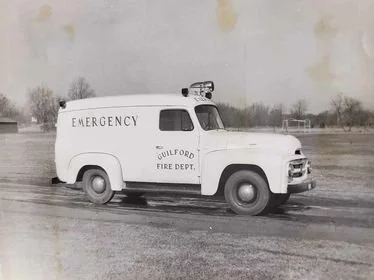
In the mid-20th century, Guilford expanded into emergency medical services, forming rescue squads and eventually training Emergency Medical Technicians and paramedics. The fire department later assumed control of ambulance services and emergency dispatch.
Today, the Guilford Fire Department operates from a central headquarters built in 2003, with a combination of paid firefighters and volunteers. Equipped with modern apparatus and technology, the department continues to serve the community while preserving a firefighting tradition that spans more than two centuries.
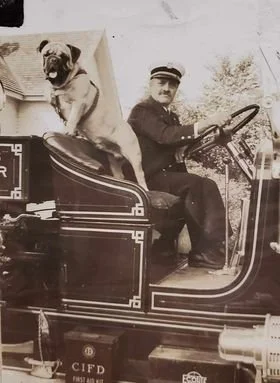
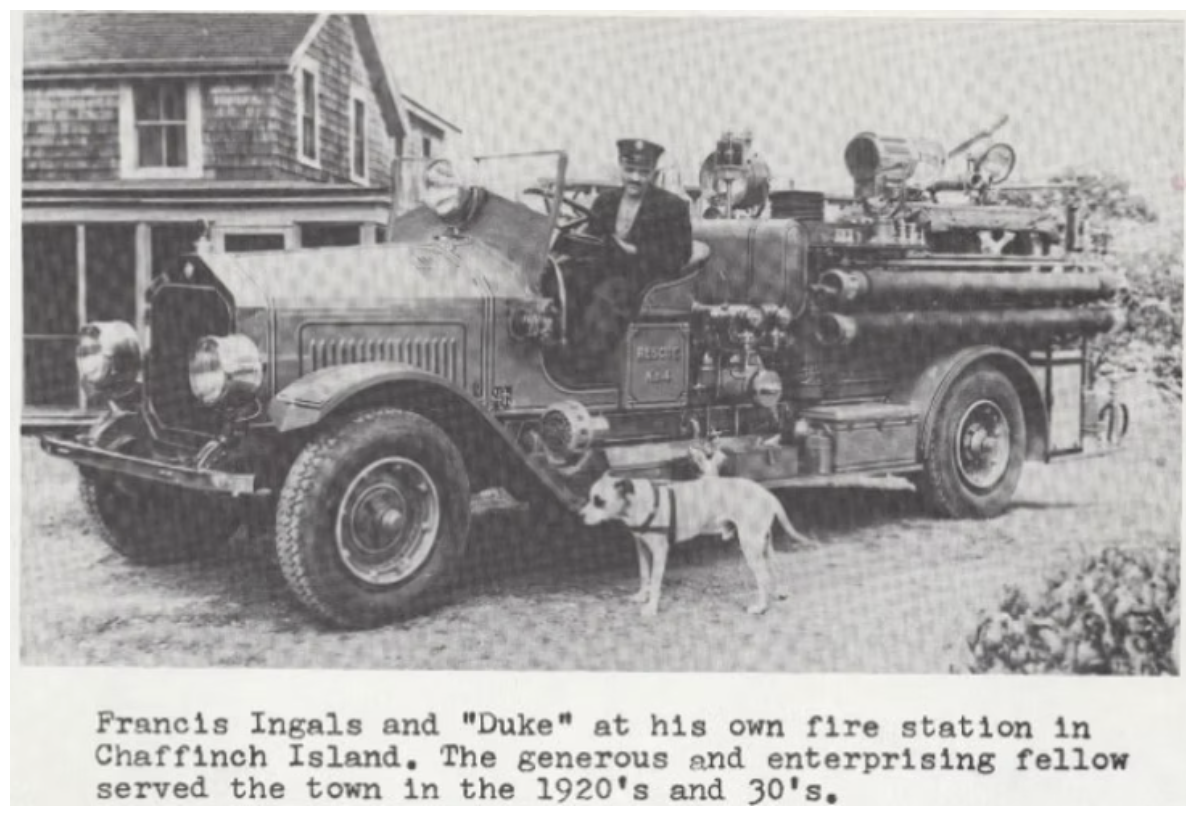
In the early 20th century, Francis E. Ingals operated a remarkable one-man fire department from his home on Chaffinch Island. A mechanical and electrical engineer trained at the University of Wisconsin, Ingals became interested in firefighting after helping save a hotel from a fire. After moving to Guilford in the 1920s, he equipped his isolated property with firefighting tools and converted vehicles into fire engines. Responding to alarms relayed by telephone operators, he served not only Guilford but much of the Connecticut shoreline. By 1931, he owned multiple trucks, including a Maxim pumper with a custom seat for his dog. In 1941, after the town declined to reimburse his expenses, Ingals sold his equipment, ending his unique firefighting career.
Organized firefighting in Guilford dates back to at least 1822, when the Connecticut Legislature authorized an additional fire company in the Borough. By 1852–1853, two formal fire companies were established, each equipped with hand-pumped engines such as the historic “Washington Engine.” Early firefighting methods relied on wells, leather buckets, and manual pumping.