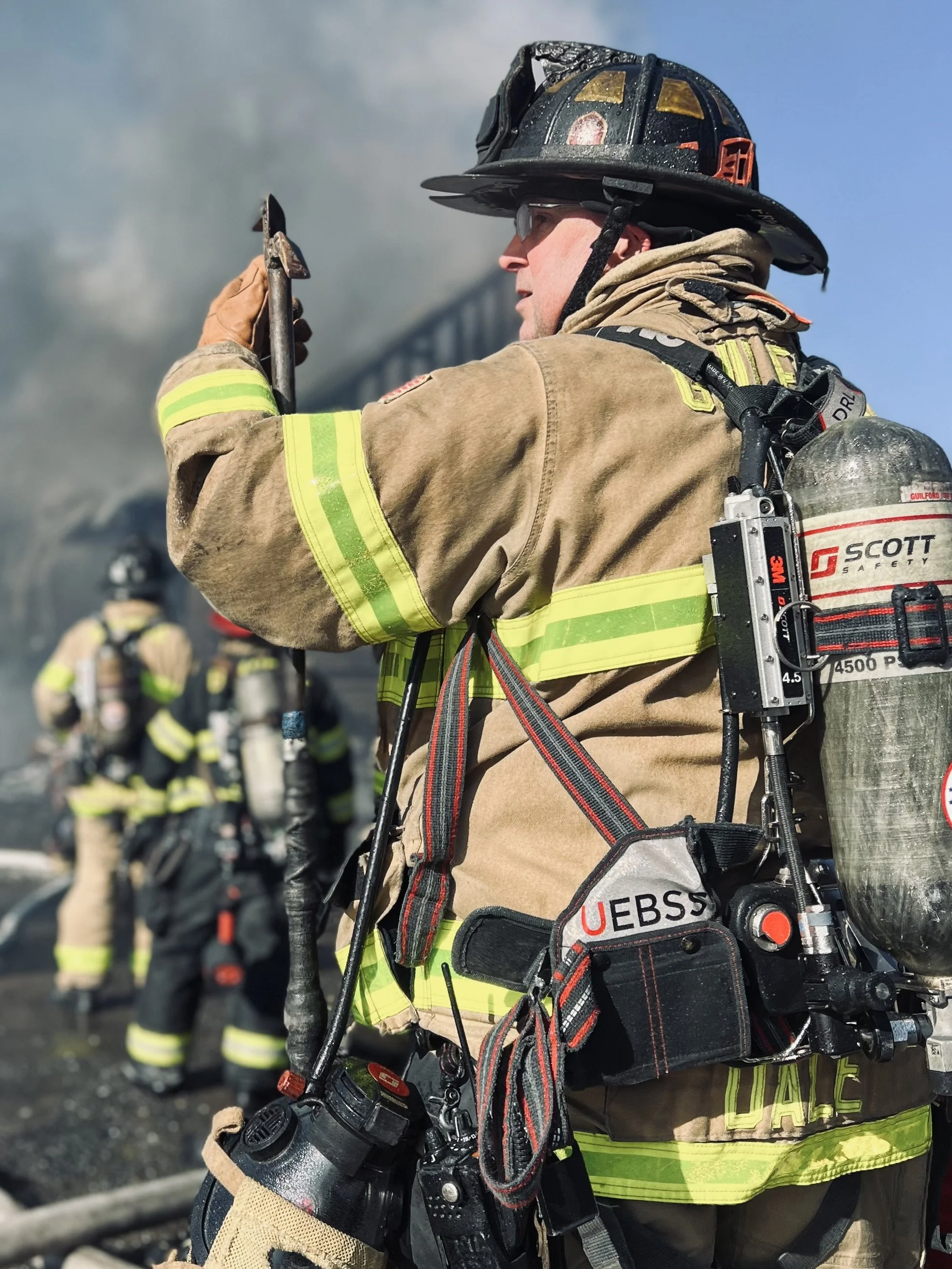
The Guilford Fire Department responds to nearly 5,000 calls each year, providing fire suppression, advanced life support, emergency medical services, technical rescue and hazardous materials response throughout Guilford and the surrounding region.
Divisions
Fire Prevention
We work to reduce risk through inspections, code enforcement, public education and proactive community outreach.
Hazmat
Our trained personnel respond to hazardous-material incidents with specialized equipment and coordinated regional resources.
SCUBA
Our public-safety dive team is trained to conduct underwater search, rescue and recovery operations in challenging conditions.
Emergency Medical Services
Advanced life support when every second matters.
Technical Rescue
We maintain advanced training and capabilities for complex emergencies involving confined spaces, elevated areas, vehicle extrication and other specialized rescue situations.

Marine
One sentence about this particular division of Emergency Response.
Hazmat
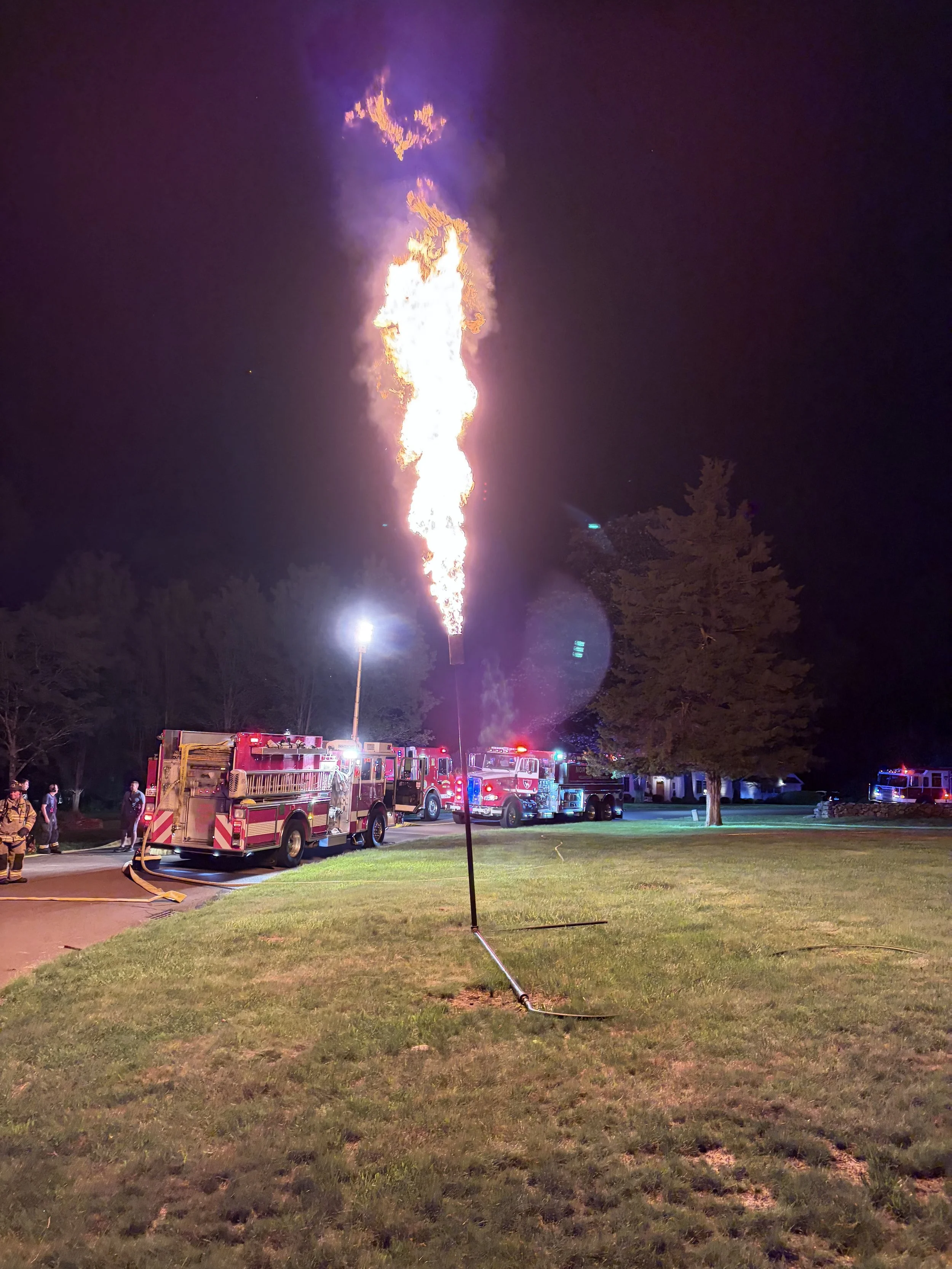
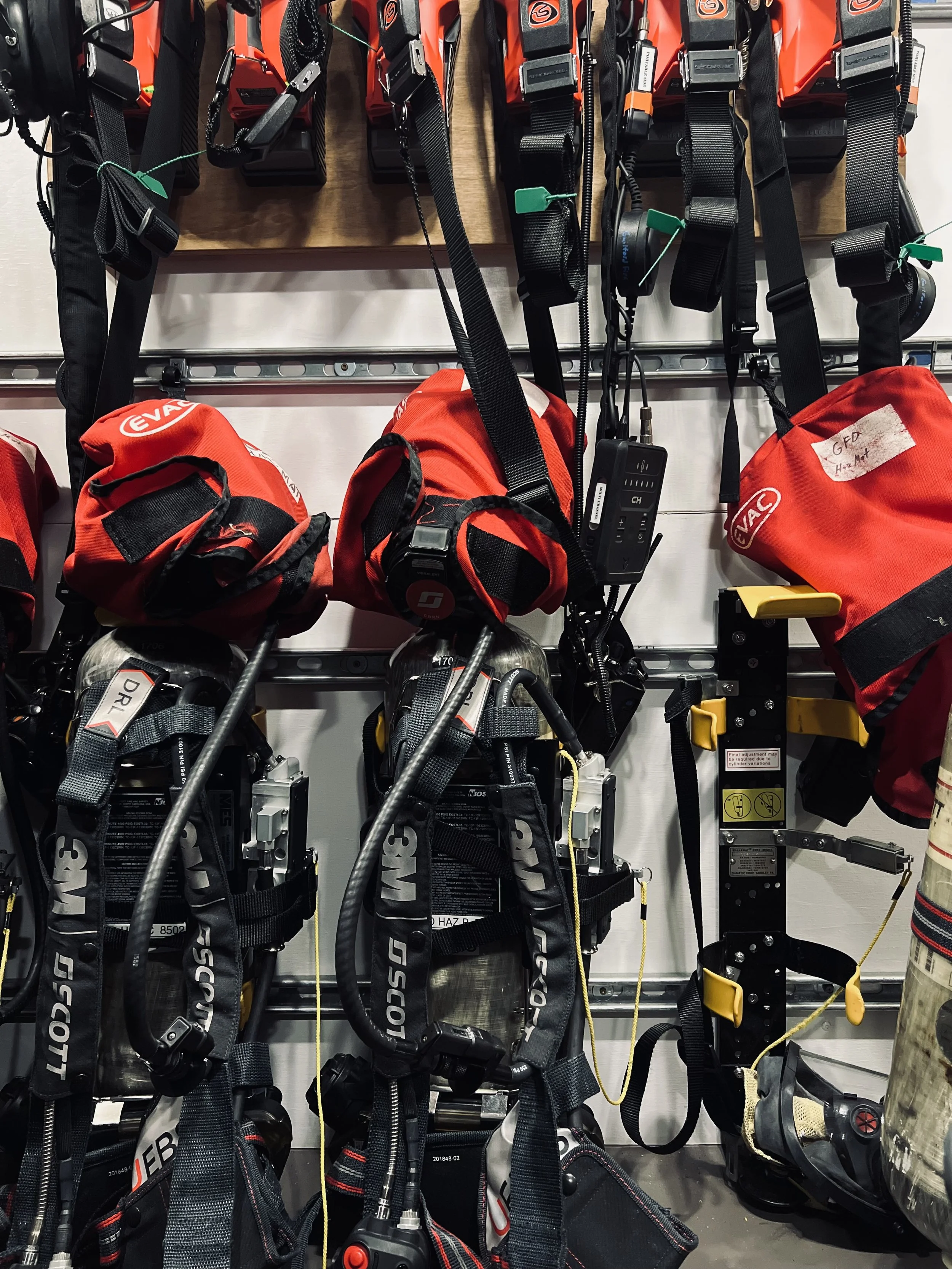
Every member of the Guilford Fire Department is certified as a Hazardous Materials Technician and receives advanced, specialized training to respond safely and effectively to hazardous-material emergencies. Using specialized protective equipment, detection instruments and containment tools, our personnel are prepared to identify hazards, control releases and protect the public, property and environment. This department-wide capability allows us to provide a highly coordinated response to complex incidents within Guilford and alongside our regional response partners.
Technical Rescue
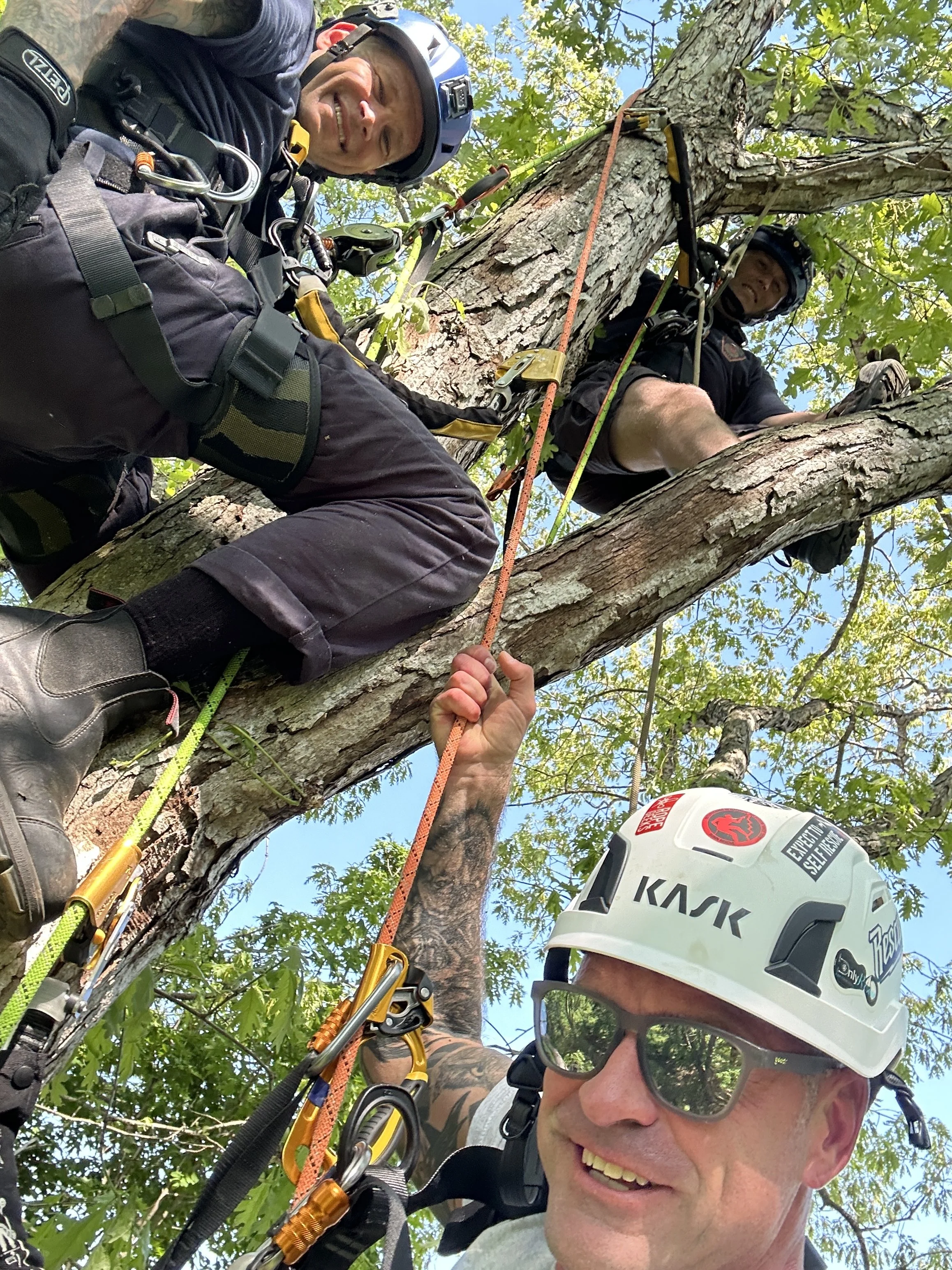
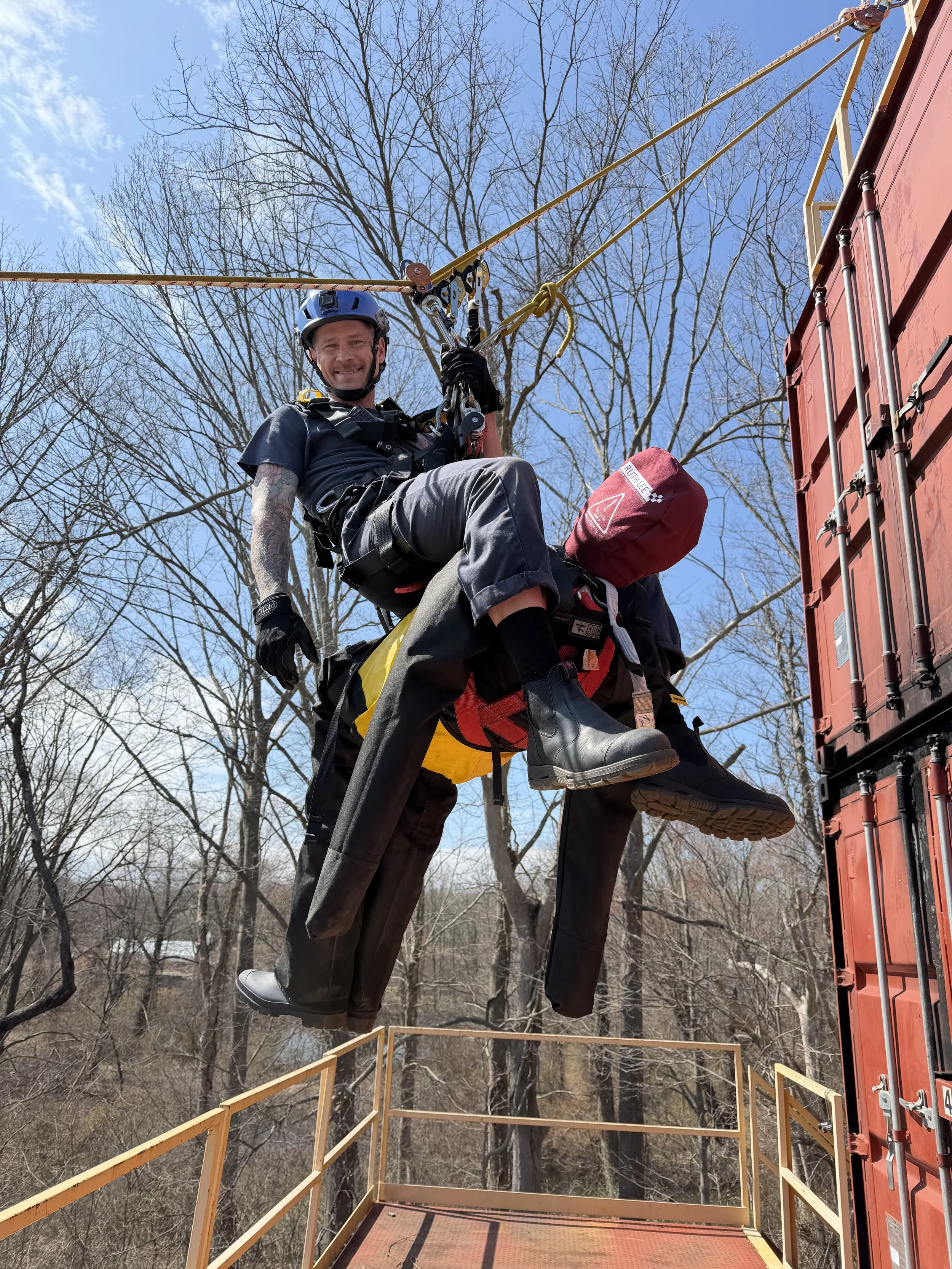
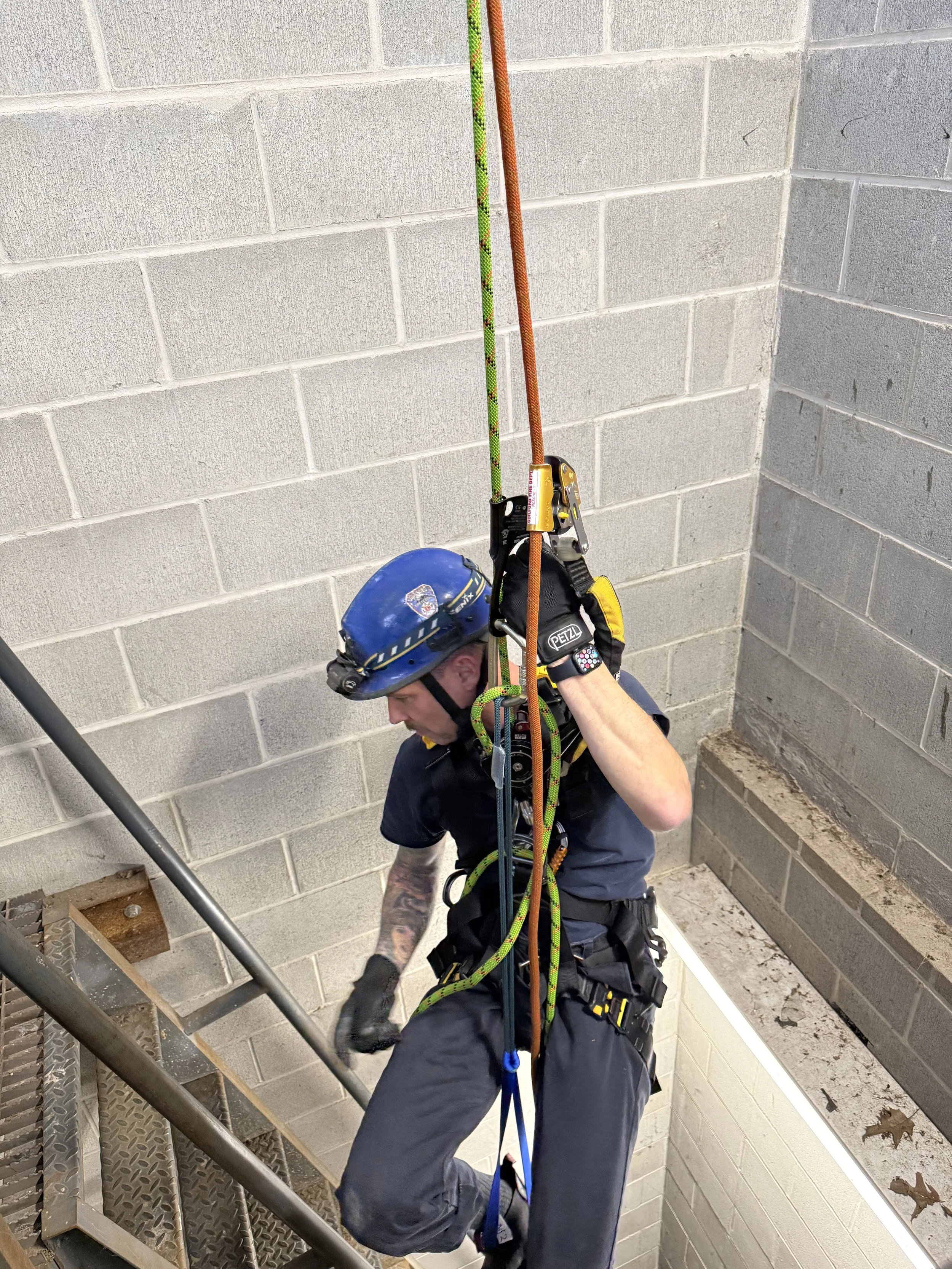
Our members train regularly to maintain technician-level capabilities across a wide range of technical rescue disciplines. These specialized areas include advanced vehicle and machinery extrication, low- and high-angle rope rescue, drone operations, public-safety SCUBA and ice diving, along with other complex rescue situations. Through continuous hands-on training and the use of specialized equipment, our teams remain prepared to operate safely, efficiently and effectively in challenging environments.
-
Technical rope rescue uses specialized equipment and trained personnel to safely reach and remove people from hazardous locations such as cliffs, confined spaces, towers, and steep terrain. These operations require careful planning, teamwork, and precise rope systems to protect both rescuers and those in need.
-
Technical water rescue uses specially trained personnel and equipment to safely locate, reach, and remove people from hazardous water environments, including rivers, lakes, floodwaters, and icy conditions. These complex operations require quick decision-making, teamwork, and specialized rescue techniques.
-
Technical trench rescue involves specially trained personnel and equipment working to safely locate, protect, and remove individuals trapped in collapsed or unstable trenches. These complex incidents require careful stabilization, continuous hazard monitoring, and precise teamwork to protect both the victim and rescuers.
-
Technical structural collapse rescue uses specially trained personnel and equipment to safely locate, stabilize, and remove individuals trapped in collapsed or severely damaged buildings. These complex incidents require careful hazard assessment, structural stabilization, and coordinated teamwork to protect victims and rescuers.
-
Technical vehicle extrication uses specially trained personnel and specialized tools to safely stabilize vehicles and remove individuals who are trapped following a collision. These complex operations require careful planning, precise techniques, and coordinated teamwork to protect both patients and rescuers.
-
Technical confined space rescue uses specially trained personnel and equipment to safely locate, access, and remove individuals trapped in hazardous, restricted spaces. These complex operations require continuous air monitoring, specialized protective equipment, and coordinated teamwork to protect both victims and rescuers.
Marine Division
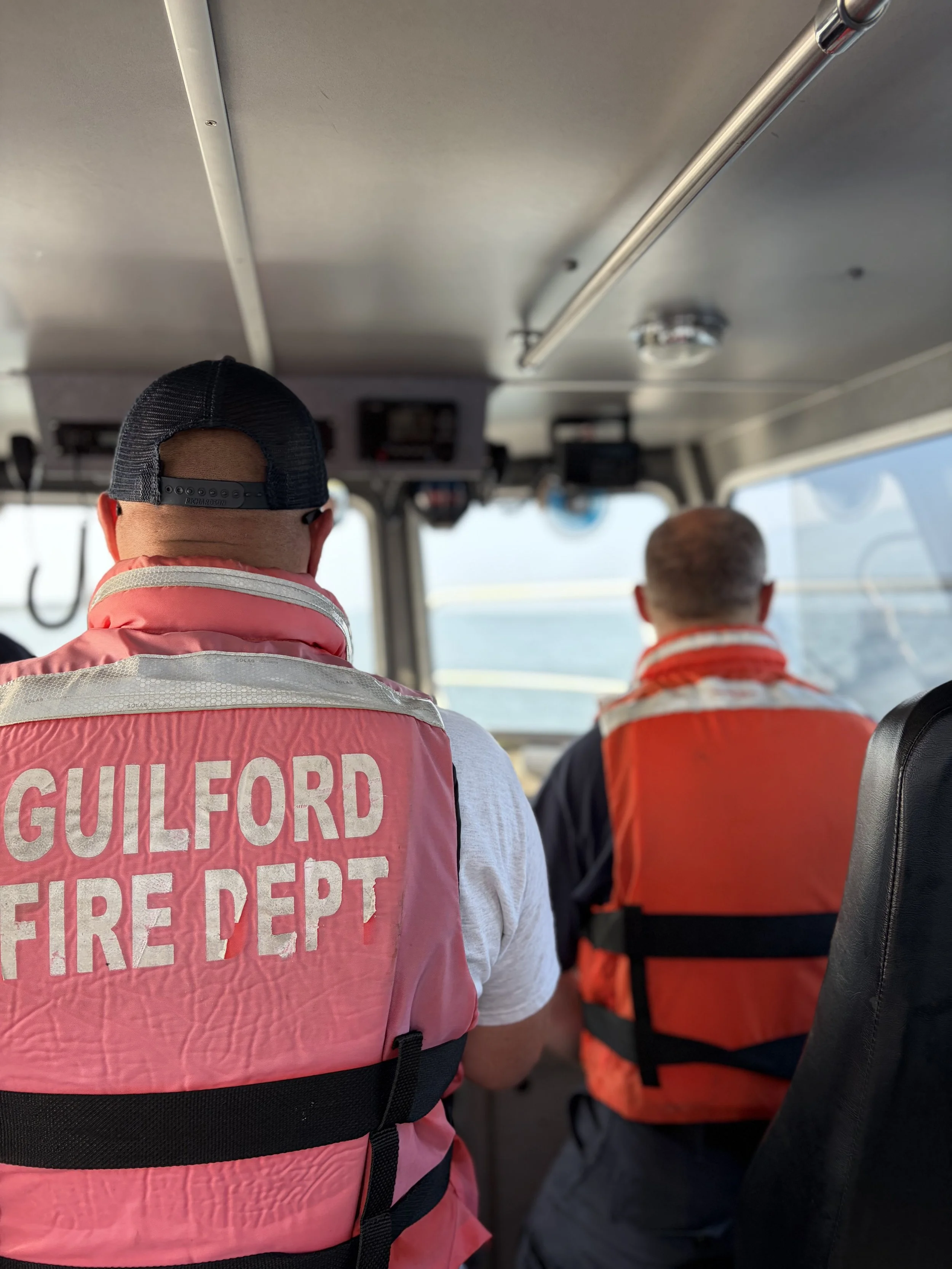
Our Marine Division operates year-round to respond to emergencies along Guilford’s shoreline and waterways. The division utilizes Marine 10, supported by two Zodiac boats for rapid deployment in areas where speed, access and maneuverability are critical. Every member of the team receives specialized marine-operations training, ensuring a coordinated and effective response to water rescues, vessel emergencies and other incidents in challenging conditions.
-
![]()
Leaking propane tank flare off.
-
![]()
Worker stuck in tree extraction training.
-
![]()
High point skate block victim removal training.
-
![]()
Victim rope pick off training.